
How Long Does It Take to Build a Pool in Orlando?
If you are planning to transform your backyard with a custom swimming pool, one of the first questions you may have is: How long does it take to build a pool in Orlando?
The timeline can vary from project to project. Building a pool involves much more than excavation and construction. Before the first equipment arrives, there may be design work, engineering, permitting, and other planning requirements. During construction, the schedule can also be affected by weather, inspections, site conditions, material availability, and the complexity of the pool itself.
Understanding the overall process can help you plan your project and set realistic expectations.
How Long Does Pool Construction Usually Take
There is no single timeline that applies to every pool project. A straightforward custom pool may move through construction more quickly than a complex backyard transformation that includes a spa, extensive decking, water features, retaining walls, an outdoor kitchen, or other structural elements.
The complete timeline generally includes two major phases:
Planning, Design & Permitting
Physical Construction & Final Completion
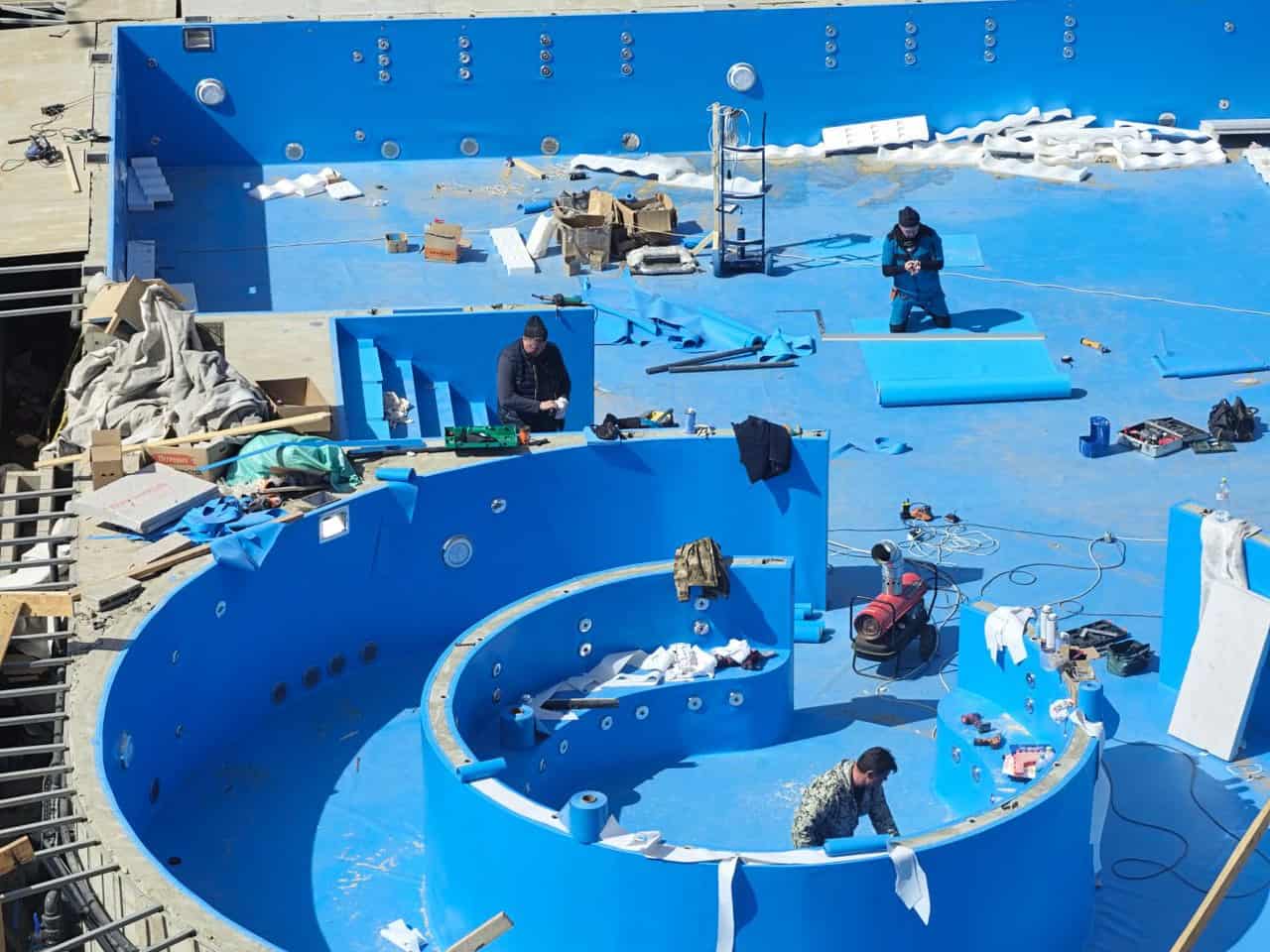
The amount of time required for each phase depends on the specifics of your property and project. For homeowners asking how long to build a pool in Orlando, it is important to understand that the construction timeline does not always begin the moment you decide to move forward. The design and permitting stages are an important part of preparing the project for successful construction.
The Pool Building Process: Step by Step
Initial Consultation and Backyard Planning
The process typically begins with a consultation to discuss your goals for the project.
During this stage, you may consider:
- How you plan to use the pool
- The size and layout of your backyard
- Your preferred pool style
- Desired features
- Your budget and priorities
- Future outdoor living plans
Some homeowners want a simple pool for family recreation. Others are planning a complete outdoor environment with a spa, sun shelf, water features, fire features, and entertainment areas.
Establishing these priorities early can help create a more efficient design and construction process.
Custom Pool Design
Once the project's goals are established, the pool design can be developed around your property.
The design phase may include:
- Pool shape and dimensions
- Depth and layout
- Spa design
- Sun shelves
- Seating areas
- Water features
- Decking
- Equipment placement
- Outdoor living elements
A detailed design allows you to understand how the finished project may look and helps identify potential construction considerations before work begins.
For a closer look at the steps involved, homeowners can review the Pool Construction Process before beginning their project.
Engineering and Permitting
Before construction can begin, the project may need to move through engineering, permitting, and approval requirements.
The exact requirements can vary depending on the property and project.
This stage can involve:
- Site plans
- Construction plans
- Engineering documents
- Permit applications
- Local jurisdiction review
- Additional approvals when required
Permitting timelines are not entirely controlled by the pool builder because they depend on the reviewing authority and the requirements of the specific project.
For this reason, homeowners should avoid assuming that construction can begin immediately after selecting a pool design.
What Happens During Pool Construction?
Site Preparation and Excavation
Once planning and approvals are complete, the physical construction phase can begin.
Construction crews prepare the work area and begin excavation according to the approved design.
The length of this phase can depend on:
- Pool size
- Soil conditions
- Access to the backyard
- Existing structures
- Underground utilities
- Weather conditions
Excavation is one of the first major milestones homeowners see because the shape of the future pool begins to take form.
Structural Construction
After excavation, the structural components of the pool are installed.
Depending on the type and design of the pool, this stage can involve:
- Reinforcing steel
- Plumbing
- Electrical preparation
- Structural shell construction
This part of the process creates the foundation for the pool and requires careful coordination between multiple construction activities.
Plumbing, Electrical, and Equipment
The pool requires systems that support circulation, filtration, lighting, heating, automation, and other features.
Depending on your design, the project may include:
- Pool pumps
- Filtration systems
- Heaters
- LED lighting
- Automation controls
- Water feature equipment
- Spa equipment
The complexity of these systems can affect the construction schedule.
A basic pool may have fewer components than a highly customized design with automated features, multiple water features, and an integrated spa.
Pool Finishes and Tile
As construction progresses, the pool receives its visual finishing elements.
This may include:
- Waterline tile
- Decorative tile
- Coping
- Interior pool finishes
- Stone features
Material selection and installation requirements can influence the timeline, particularly when the project includes custom or specialty materials.
Decking and Outdoor Living Features
For many homeowners, the project extends beyond the pool itself.
This stage may include:
- Pool decking
- Pavers
- Travertine
- Natural stone
- Covered areas
- Pergolas
- Outdoor kitchens
- Fire features
A complete backyard transformation generally requires additional coordination and construction time compared with a pool-only project.
However, planning these elements as part of the overall design can help create a more cohesive finished space.
Inspections and Final Preparation
Depending on the project and local requirements, inspections may occur at different stages of construction.
Before the project is complete, final work may include:
- Equipment testing
- System startup
- Final adjustments
- Safety-related requirements
- Final inspections when applicable
The pool is then prepared for use.
At completion, homeowners should also understand how their equipment, controls, and maintenance systems operate.
What Factors Can Affect How Long It Takes to Build a Pool in Orlando?
A simple design may require fewer construction steps than a highly customized pool with multiple elevations, intricate shapes, integrated features, and premium finishes.
Local review and approval processes can affect when physical construction begins.
Florida weather can occasionally affect outdoor construction schedules. Heavy rain and severe weather can delay certain activities or require adjustments to the construction schedule.
Every property is different. Limited access, difficult excavation conditions, underground utilities, drainage requirements, or elevation changes may add complexity to the project.
Some specialty finishes, tile, equipment, and custom materials may have different availability timelines.
Adding an outdoor kitchen, pergola, fire features, extensive hardscaping, or other outdoor living elements can expand the overall project timeline.
Can You Build a Pool Faster?
Careful planning before construction is one of the best ways to help the project move efficiently.
Homeowners can help by:
- Making major design decisions early
- Selecting finishes before construction reaches that stage
- Providing required information promptly
- Discussing the complete backyard vision at the beginning
- Working with an experienced pool builder who manages the process
Changes made after construction is underway can sometimes require additional time.
That does not mean every detail must be decided immediately, but having a clear plan before construction begins can reduce unnecessary changes later in the project.
When Should You Start Planning Your Pool?
- Consultation
- Custom design
- Revisions
- Material selections
- Permitting
- Construction
- Final completion
Build Your Orlando Pool With a Clear Plan
So, how long does it take to build a pool in Orlando?
The answer depends on your specific design, property, permitting requirements, weather conditions, construction complexity, and the additional features included in your project.
A custom pool is a multi-stage construction project, and a clear understanding of the process can help homeowners plan with realistic expectations.
The best first step is to discuss your property, design goals, and desired features with an experienced pool professional. A detailed consultation can help identify the scope of your project and provide a clearer understanding of the anticipated process.
Ready to start planning your backyard transformation? Contact Best Orlando Pools to schedule a consultation and begin designing a custom pool built around your home, lifestyle, and vision.